
Eat, sleep, drink, play at the beach. Peruse through our wide range of itineraries that feature everything from the beach to the country.
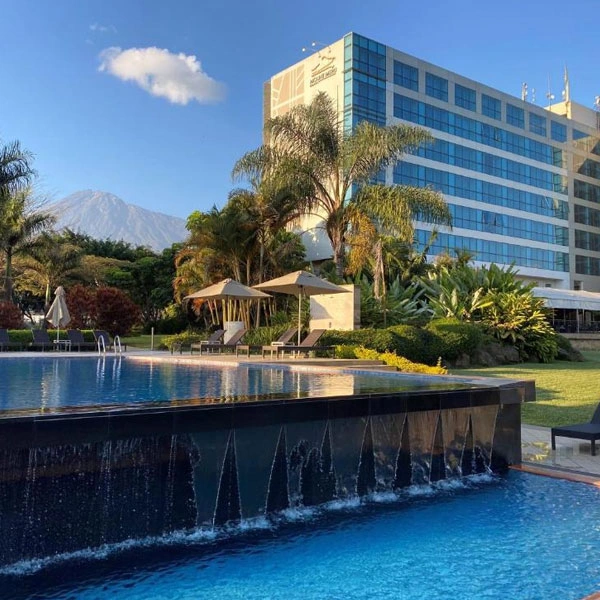







Stay At Luxury Accommodation
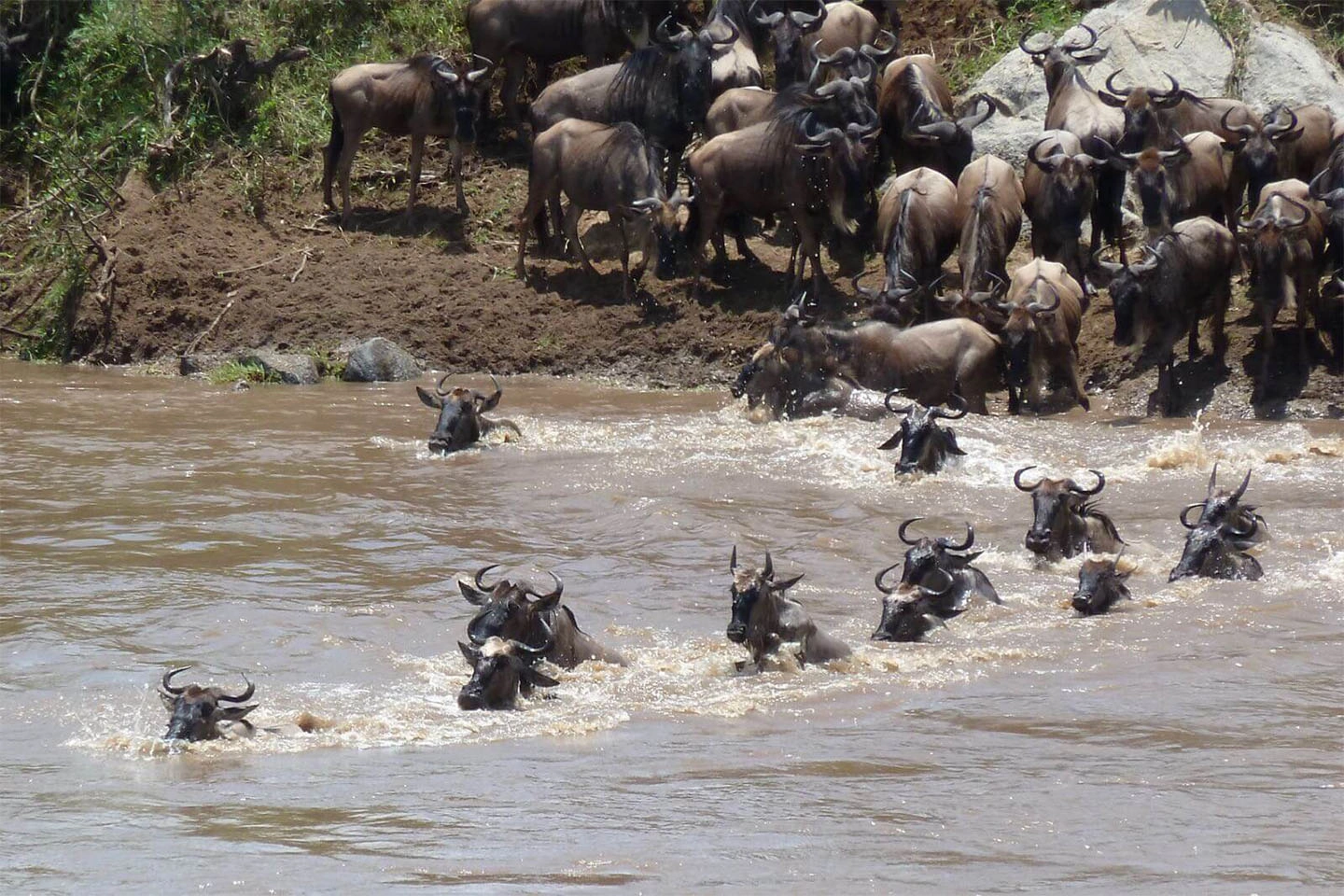
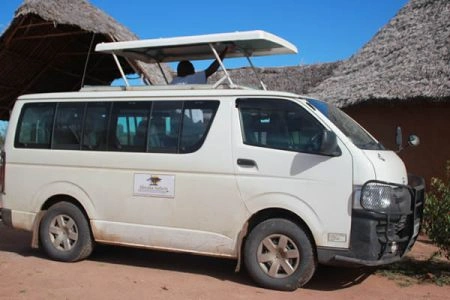
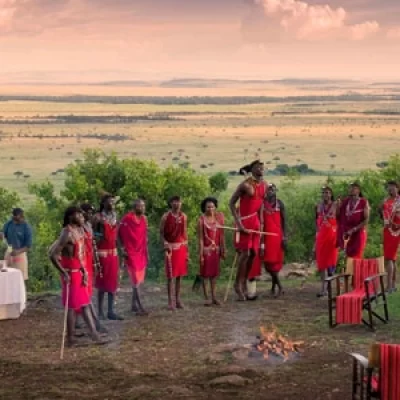
From the dusty tents of explorers to exquisite eco-conscious lodges, African safari has come a long way in the past hundred years without losing any of its romance and adventure.


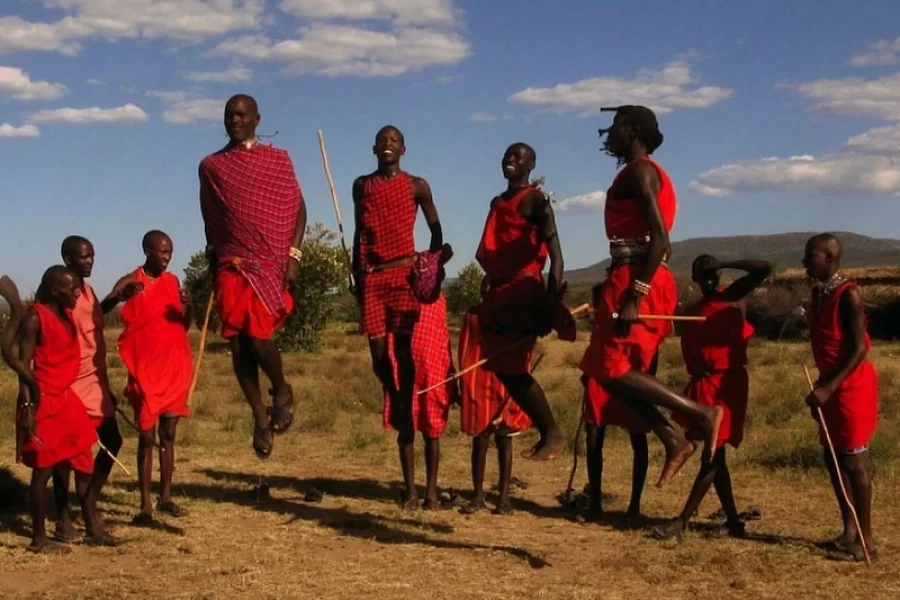
9 Days Kenya Cultural Tour
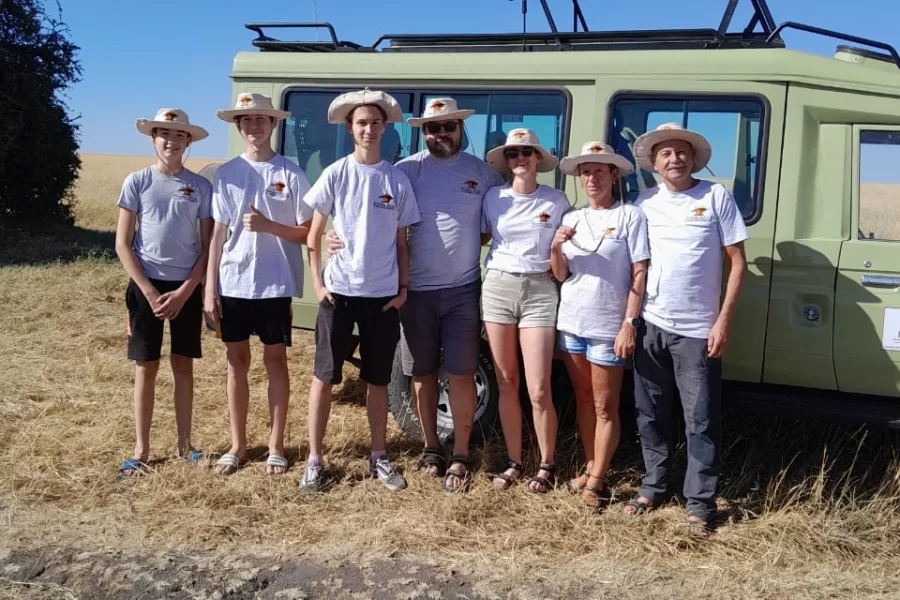
9 Days Kenya Family Holidays Safari
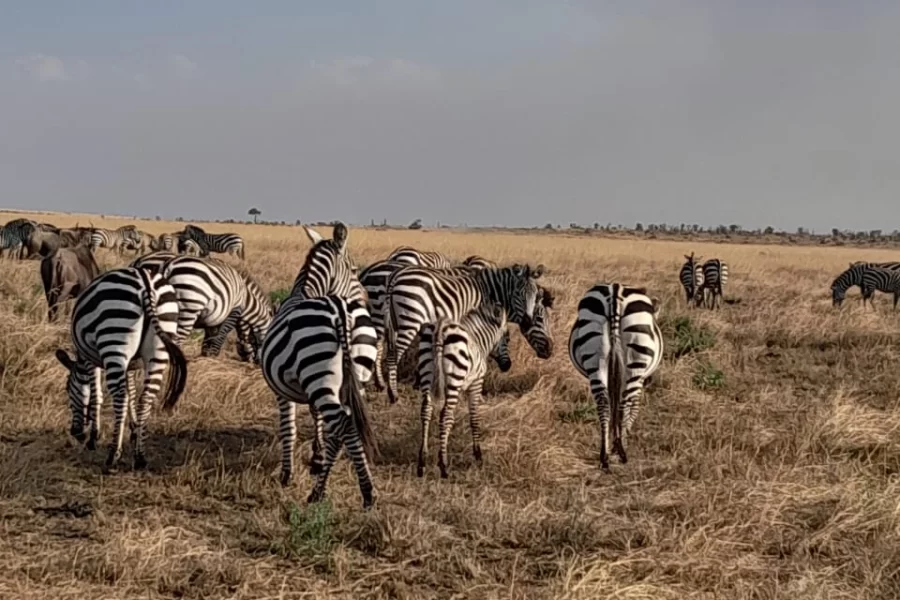
Unforgettable 3 Days Masai Mara Budget Camping Safari
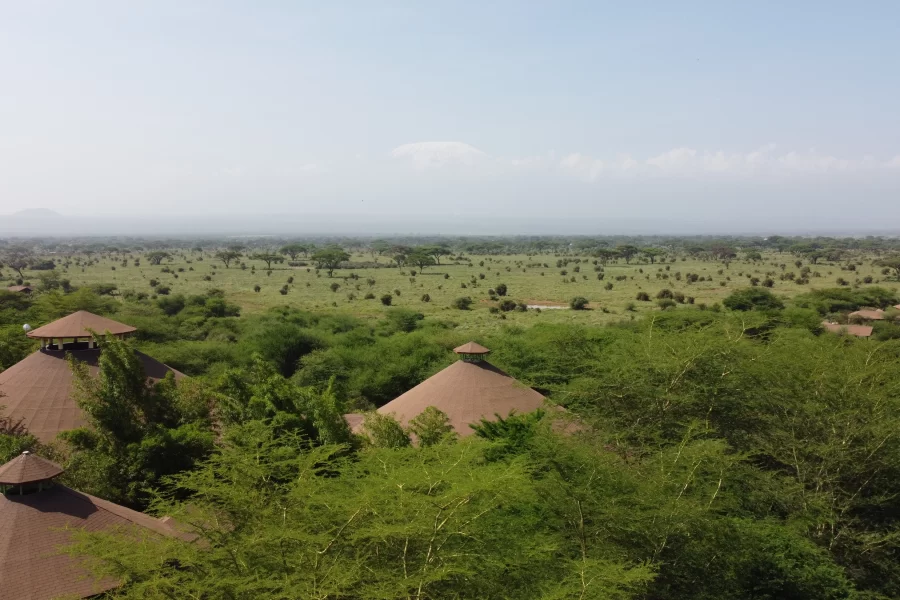
3 Days Amboseli National Park Safari
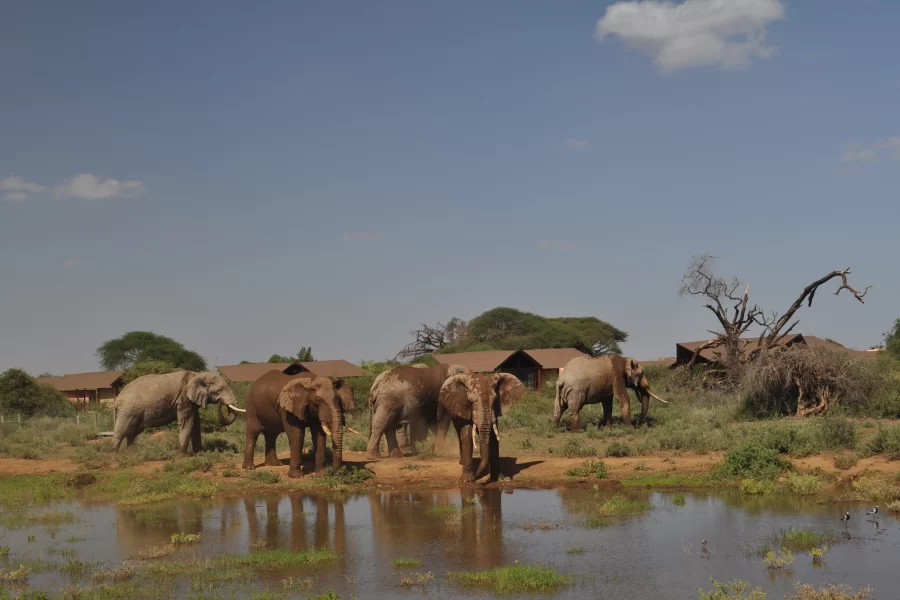
6 Days Great Rift Valley Maasai Mara Safari
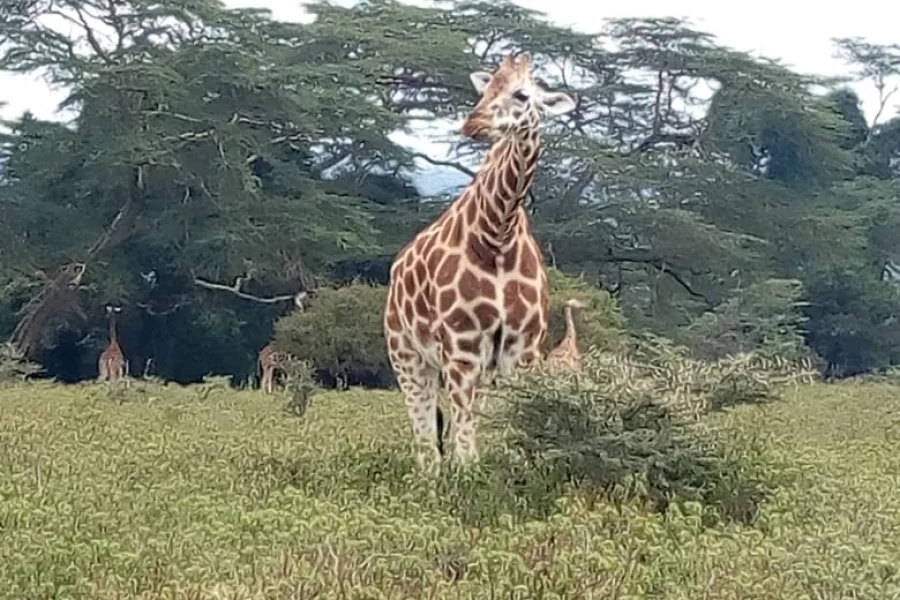
8 Days Samburu, Lake Baringo,& Maasai Mara Safari




The Ultimate Safari Guide & Experience to Go On a Safari in Kenya!
Top 8 Things To Consider When Travelling To Kenya
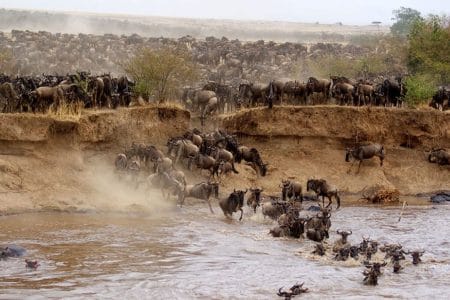
Masai Mara, Kenya-The Ultimate Safari Of A Lifetime!
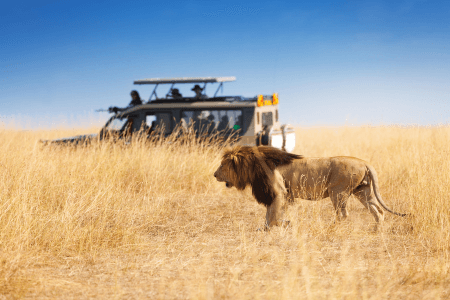
An Expert Guide To Planning a Kenya Budget Safari
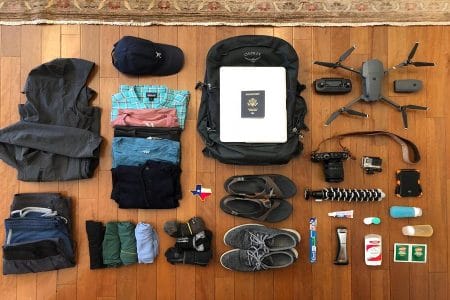
A Comprehensive Guide For A Kenya Safari- Know What To Pack
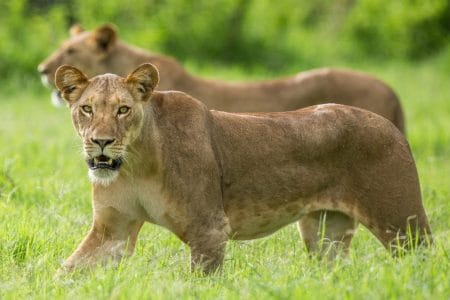
Why Choose The Green Season For A Safari In Masai Mara, Kenya?
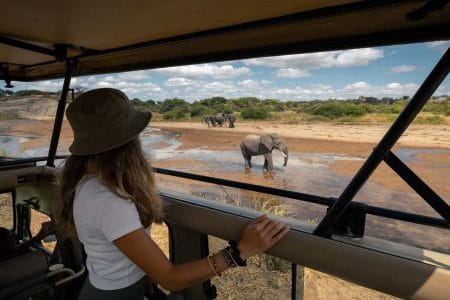
How UK Travellers Can Plan A Safari To Kenya?
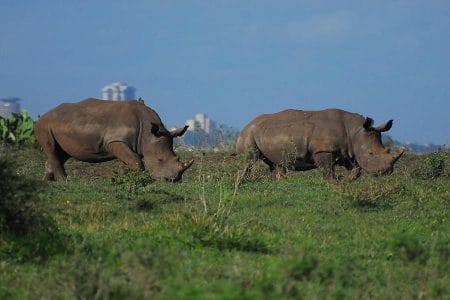
Visit World’s only Wildlife Capital – Nairobi National Park, Kenya!
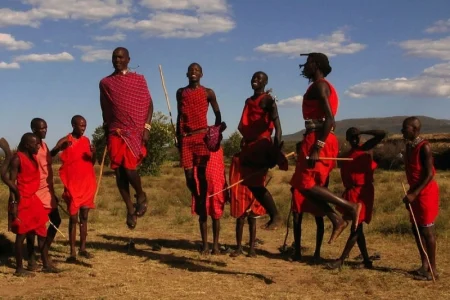
9 Days Kenya Cultural Tour
Embark on a fascinating culture trip Kenya, where you’ll explore rich traditions, vibrant communities, and historical landmarks. Experience authentic local cuisine, visit cultural villages, and immerse yourself in Kenya’s diverse heritage. Book your unforgettable journey today!
Duration
9 days
Group Size
Unlimited

9 Days Kenya Family Holidays Safari
There are two ways to experience the beauty of Kenya; alone or gathered around the special people in your life. The latter is the most enchanting, and that is the adventure we have packed for you in this 6-day Masai Mara family safari with kids. In 6 days, we will take you and your children […]
Duration
9 days
Group Size
Unlimited

Unforgettable 3 Days Masai Mara Budget Camping Safari
Embark on an exciting 3 Days Masai Mara Camping Safari, exploring the stunning wildlife and landscapes of Africa’s most famous reserve. Enjoy thrilling game drives, spot the Big Five, and experience authentic camping under the stars. Book your adventure today!
Duration
3 Days
Group Size
Unlimited

3 Days Amboseli National Park Safari
Are you looking for a tour company to partner with to give you the best wildlife experience? Look no further as we offer 3 days Amboseli safari. The Amboseli National Park is located at the foot of Mount Kilimanjaro, it is a perfect escape into nature, one of the most wildlife destination in Kenya. In […]
Duration
3 Days
Group Size
Unlimited

6 Days Great Rift Valley Maasai Mara Safari
This safari tour visits two of the Rift Valley lakes and the classic Masai Mara. Activities include game drives in Lake Nakuru National Park and the Masai Mara National Reserve and also a boat safari on Lake Naivasha. There will be plenty of opportunities to track down all the Big Five, see the big five […]
Duration
6 Days
Group Size
Unlimited

8 Days Samburu, Lake Baringo,& Maasai Mara Safari
The 8 Days Safari covers the best wildlife spots in Kenya. Look out for the large Elephant herds in Amboseli National Park situated on the foothills of Mt. Kilimanjaro. Enjoy the experience of staying in a Treehouse in Mt. Kenya National park. Witness millions of Flamingoes in Lake Nakuru along with Rhino and other game […]
Duration
8 Days
Group Size
Unlimited

8 Days Kenya Great Lakes Safari
Join Diwaka Safaris in the scenic scrubland of Kenya. This 8 day, 7 night Kenya safari tour gives a great insight into Kenya’s diverse landscapes and wildlife. Guests will visit the world-famous Bird Sanctuary of Lake Nakuru, Maasai Mara- Kenya’s most popular game park, with the possibility of seeing all the big five and many […]
Duration
8 Days
Group Size
Unlimited

8 Days Safari Madoadoa Kenya
The eight-day guided Kenya Safari Tour takes guests to the famous Maasai Mara exploring the untamed wildlife of East Africa while staying in luxurious accommodation of The Safari Collection properties.During this fantastic eight-day Kenyan wilderness journey,and many other animals, enjoy the luxury of the chalets and tented camps participate in thrilling outdoor activities such as […]
Duration
8 Days
Group Size
Unlimited